Decoding the Interplay of Biometric Verification Tools and Transaction Security Protocols Across British Mobile Wagering Services
Written by Morgan Krause · Oct 26, 2026
Decoding the Interplay of Biometric Verification Tools and Transaction Security Protocols Across British Mobile Wagering Services
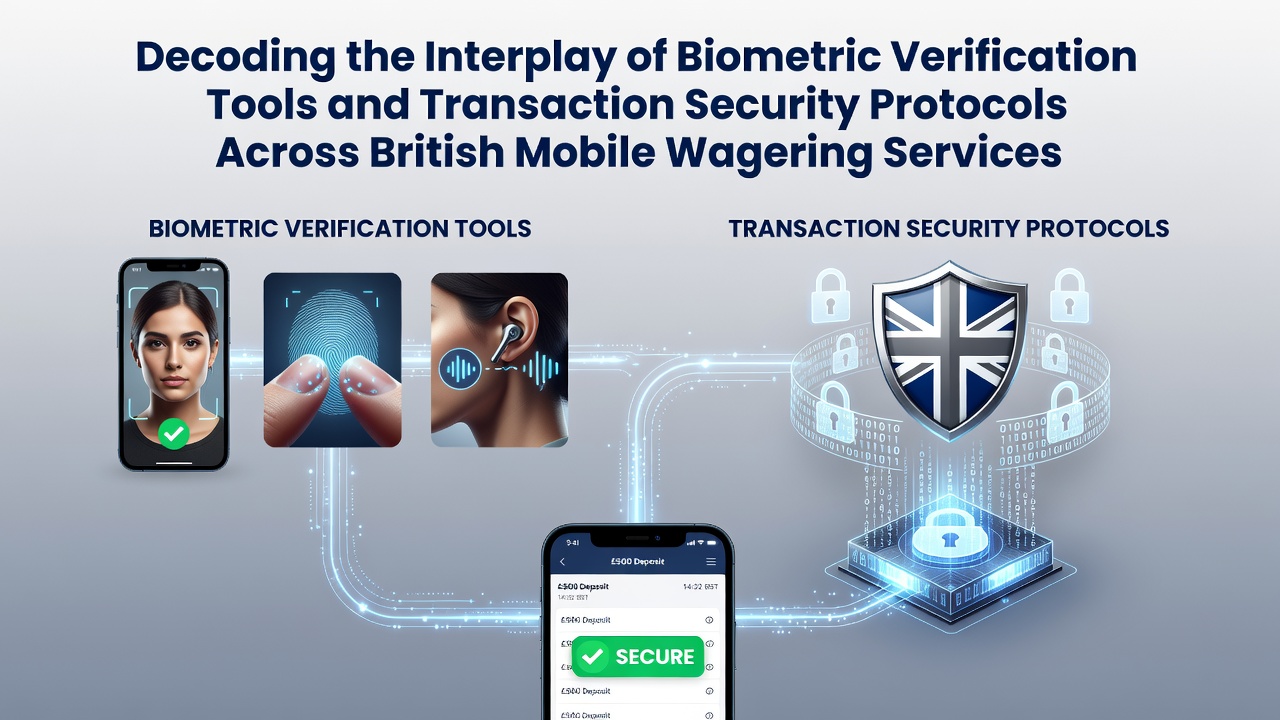
British mobile wagering services have incorporated biometric verification tools alongside transaction security protocols to manage user authentication and payment processing, and data from industry reports show steady adoption rates through 2025 and into October 2026 when several operators updated their systems to align with new encryption standards. Fingerprint scanning, facial recognition, and voice authentication now appear in many apps where they replace or supplement traditional passwords while connecting directly to protocols that handle card payments and digital wallets.
Core Components of Biometric Systems in Mobile Wagering
Operators deploy biometric tools that capture physical or behavioral traits during account setup and subsequent logins, and these systems store templates in encrypted databases rather than raw images which reduces exposure risks if a breach occurs. Research indicates that facial recognition algorithms achieve verification speeds under two seconds on modern smartphones, and this speed supports seamless entry into betting interfaces where users place wagers quickly.
Transaction security protocols such as tokenization and end-to-end encryption operate in tandem with these tools, so when a user confirms a deposit the biometric match triggers a tokenized payment request that never exposes full card details to the wagering platform itself. Observers note that this layered approach limits single-point failures because even if one element faces compromise the other maintains integrity through independent checks.
Integration Patterns Across Major Platforms
Many services link biometric authentication directly to real-time fraud detection engines that analyze transaction velocity and device location alongside the biometric score, and this combination allows platforms to flag unusual activity before funds transfer completes. Studies from academic institutions reveal that platforms using combined systems report fewer unauthorized transactions compared to those relying on passwords alone, although exact percentages vary by operator size and user base.
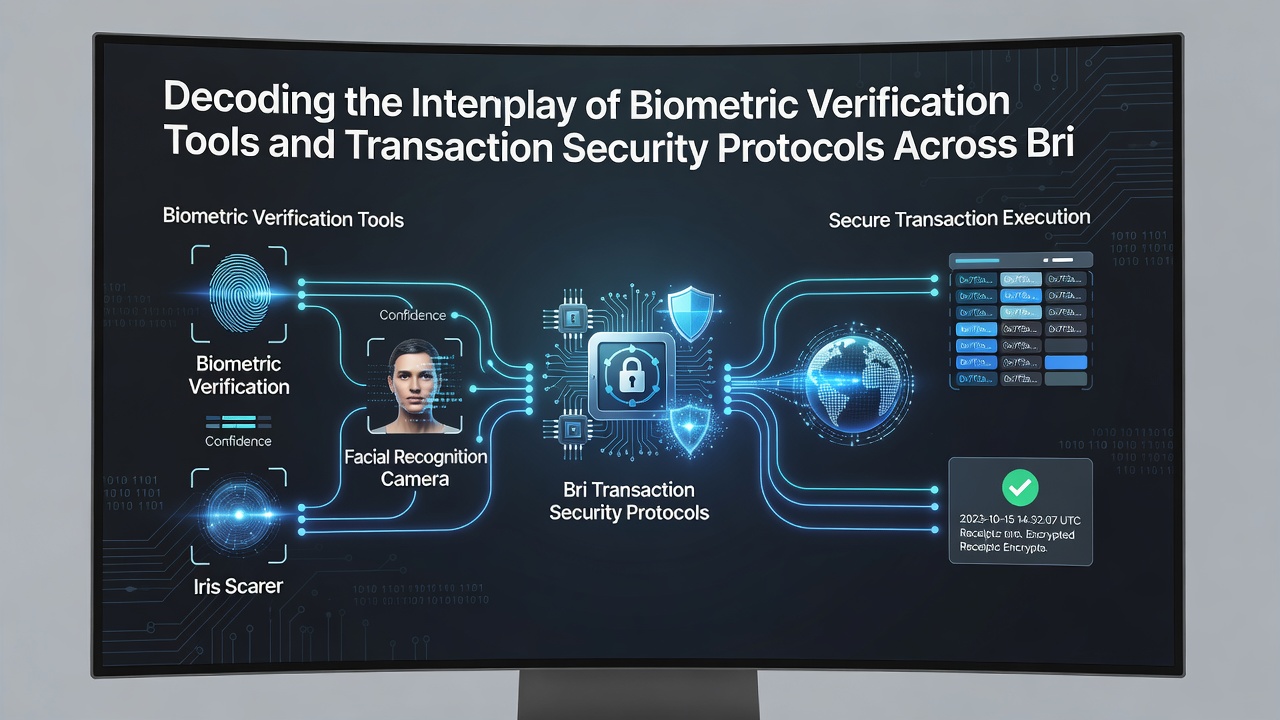
Payment card industry standards require additional authentication steps for high-value transactions, and biometric verification often fulfills this role while maintaining compliance with broader data protection frameworks across Europe. In October 2026 several updates to mobile operating systems introduced improved biometric sensor APIs that wagering apps quickly adopted to strengthen these connections.
Data Protection and Cross-Border Considerations
Biometric data falls under strict handling rules that require explicit consent and limited retention periods, and service providers must separate verification databases from transaction logs to prevent unauthorized linkage. Reports from the European Union Agency for Cybersecurity highlight best practices for securing such sensitive information in financial applications, and these guidelines influence how British platforms structure their mobile systems.
Transaction protocols incorporate multi-factor elements where biometric confirmation pairs with device binding or one-time codes, and this setup addresses risks that arise when users switch between networks or travel across regions. Those who manage these systems emphasize that regular audits help maintain alignment between verification accuracy and payment processing speed.
Technical Challenges and Operational Adjustments
Lighting conditions, device age, and user movement can affect biometric match rates, and operators respond by offering fallback methods that still route through the same security protocols without creating weak points. Data shows that hybrid models maintain transaction completion rates above 95 percent while keeping false rejection incidents low through adaptive threshold adjustments.
Encryption standards evolve periodically, and platforms must update their transaction layers to support newer algorithms without disrupting biometric flows, a process that requires coordinated testing across development and compliance teams. One research paper from an Australian university examined similar integrations in financial services and found that synchronized updates reduced downtime during security upgrades.
Conclusion
The interplay between biometric verification and transaction security protocols continues to shape how British mobile wagering services handle authentication and payments, with ongoing refinements driven by technological advances and regulatory expectations. Data from multiple sources demonstrates measurable improvements in security metrics when these elements work together, and October 2026 marks another point where system updates reflect these trends. Operators maintain focus on balancing verification speed with robust protection measures that support user activity across devices and networks.