Examining Intersections Between Spending Limit Tools and Promotional Incentive Structures in Digital Wagering Services
Written by Morgan Krause · Sep 14, 2026
Examining Intersections Between Spending Limit Tools and Promotional Incentive Structures in Digital Wagering Services
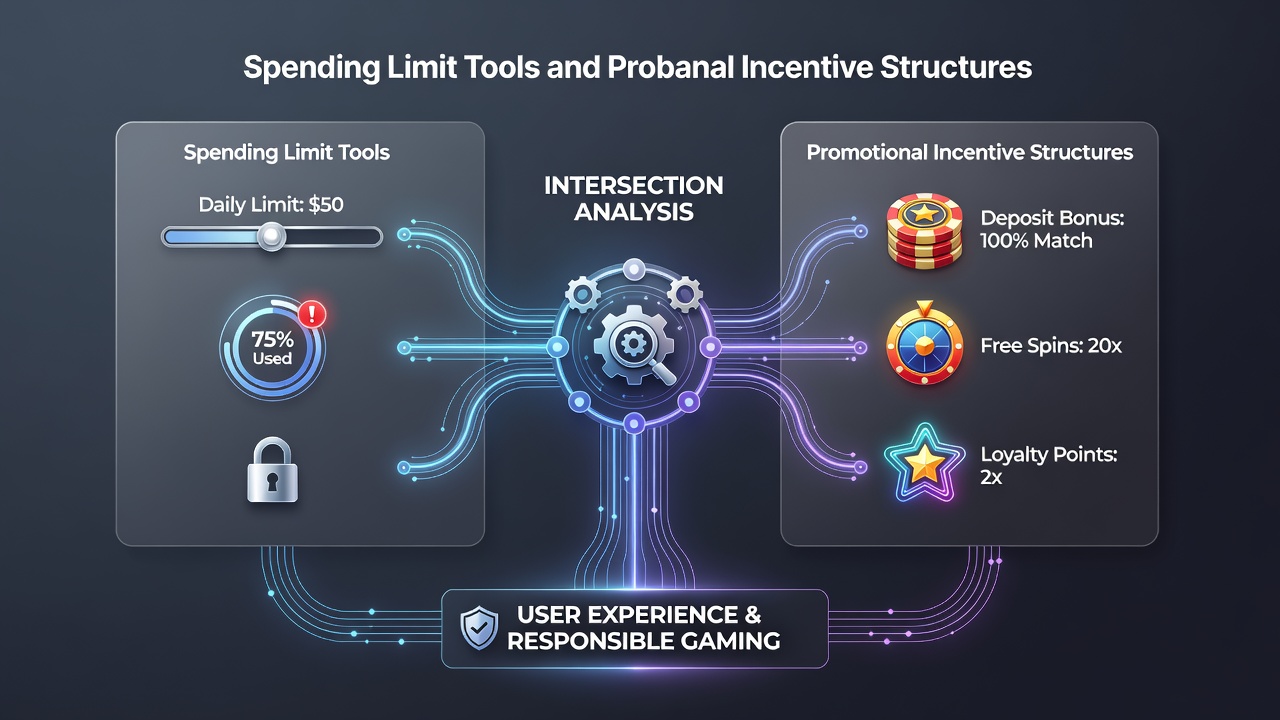
Digital wagering services have developed spending limit tools that allow users to set daily, weekly, or monthly caps on deposits and losses, while promotional incentive structures continue to offer bonuses, free bets, and matched deposits designed to encourage continued activity. These two systems operate side by side on most platforms, creating points where the mechanics of one can directly influence the effectiveness of the other. Operators track both elements through user data, yet the ways they intersect remain less examined than either feature in isolation.
Spending Limit Tools in Practice
Platforms implement spending limits through account settings that users can adjust at any time, with some systems requiring a cooling-off period before changes take effect. Data from various regulated markets shows that users who activate these tools tend to maintain lower average deposit amounts over time, though the exact impact varies by jurisdiction and platform design. In September 2026, several North American operators reported updated dashboards that display remaining limit balances next to active promotions, allowing users to see both figures in a single view.
These tools often include loss limits that track net losses rather than deposits alone, and session time limits that prompt users after predetermined intervals. Studies from research institutions in Australia indicate that combining multiple limit types produces stronger adherence rates than single-limit approaches, because users receive layered reminders across different metrics.
Promotional Incentive Structures and User Behavior
Promotional offers typically require minimum deposit or wagering amounts before users can claim rewards, and many include playthrough requirements that extend engagement periods. Industry reports from the European Gaming and Betting Association highlight how bonus structures have evolved to include personalized offers based on past activity, with some promotions automatically applied when users reach certain thresholds. These incentives can align with or conflict against preset spending caps depending on how the platform processes the two systems together.
Operators have introduced time-limited promotions that coincide with sporting events or seasonal periods, and users who have set limits sometimes encounter situations where claiming a bonus would push them toward or beyond their chosen threshold. Platform data reveals that some services now pause promotional notifications once a user reaches 80 percent of their limit, while others continue to surface offers regardless of limit status.
Where Limits and Promotions Overlap
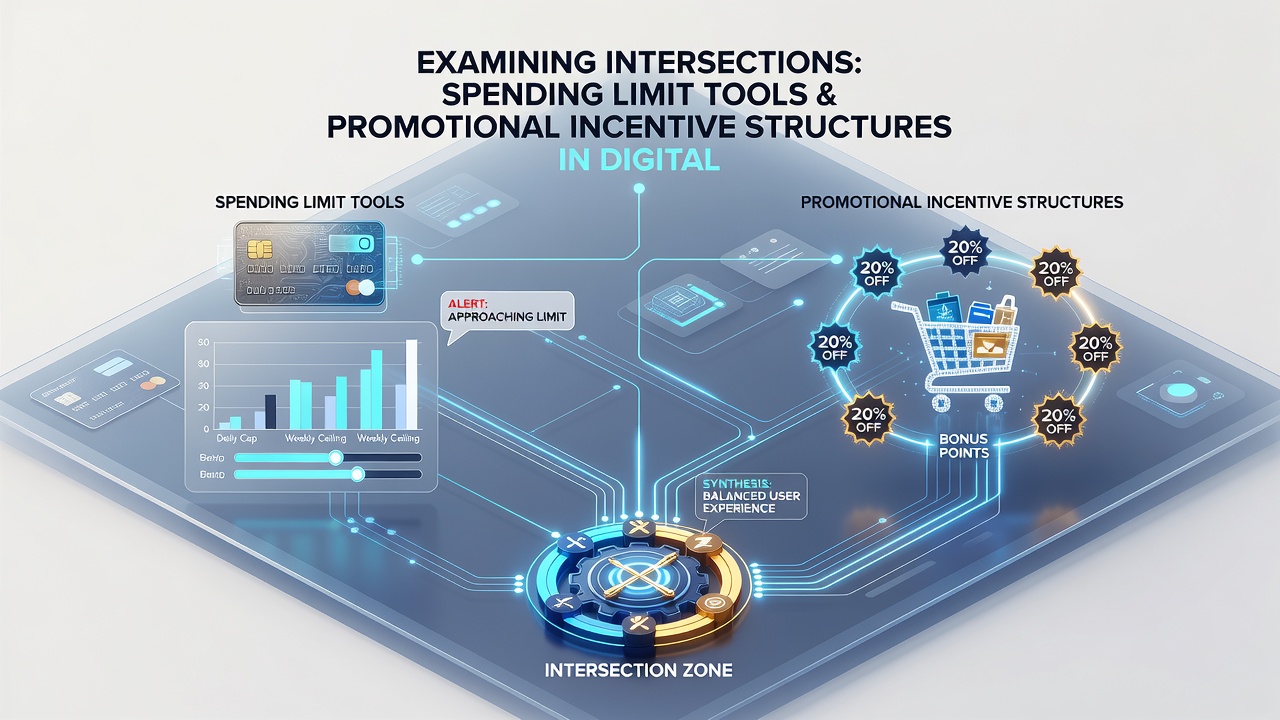
The intersection becomes clearest when a promotion requires a deposit that would exceed a user's current limit, forcing the platform to either block the transaction or prompt the user to adjust settings. Research published by the University of Nevada's gaming studies department found that users who receive such prompts often choose to increase limits temporarily rather than forgo the promotion, though many revert to original limits after the offer period ends. This pattern suggests that promotional structures can create short-term pressure points within otherwise stable limit frameworks.
Some platforms now integrate the two systems by displaying remaining limit headroom directly within the bonus claim interface, giving users immediate visibility into whether an offer fits within their parameters. According to figures from the National Council on Problem Gambling, this type of integrated display correlates with higher rates of users declining offers that would breach their caps, though the data covers only participating operators and specific time frames.
Platform Design Choices and Data Patterns
Design decisions around notification frequency, default settings, and the order in which limits and promotions appear on screen influence how often users encounter conflicts between the two systems. Observers note that platforms prioritizing promotional visibility tend to surface offers earlier in the user journey, while those emphasizing responsible tools place limit information more prominently. Data collected across multiple markets shows measurable differences in how frequently users modify limits after viewing promotions, though causation remains difficult to isolate from other variables.
Operators have tested variations such as requiring users to confirm their current limit before claiming any bonus, and early results indicate this step reduces instances of limit adjustments made solely to access promotions. The approach adds friction but maintains the availability of both features without one overriding the other by default.
Regulatory and Industry Responses
Regulators in several jurisdictions have begun requesting data on how promotional systems interact with limit tools, with some requiring operators to report the number of limit changes that occur within 24 hours of a user claiming a bonus. These reporting requirements aim to identify patterns where incentives might systematically encourage limit modifications, though the standards differ by region and continue to evolve. Industry groups have responded by developing voluntary guidelines that recommend clear separation between promotional messaging and limit management interfaces.
Technical integrations continue to advance, with some platforms introducing APIs that allow third-party responsible gambling tools to monitor both promotional activity and limit status simultaneously. This development enables external services to provide additional oversight without relying solely on operator-controlled systems.
Conclusion
The relationship between spending limit tools and promotional incentive structures in digital wagering services centers on how platform design manages potential conflicts between user-set boundaries and offer requirements. Data from multiple sources indicates that integration methods, notification timing, and interface presentation all shape the frequency and outcome of these intersections. As operators refine both systems, the patterns observed through September 2026 suggest continued movement toward more coordinated approaches rather than treating the two features as entirely separate functions.