How Data Patterns Reveal Shifts in Bonus Structures Across Regulated UK Betting Platforms
Written by Morgan Krause · Aug 19, 2026
How Data Patterns Reveal Shifts in Bonus Structures Across Regulated UK Betting Platforms
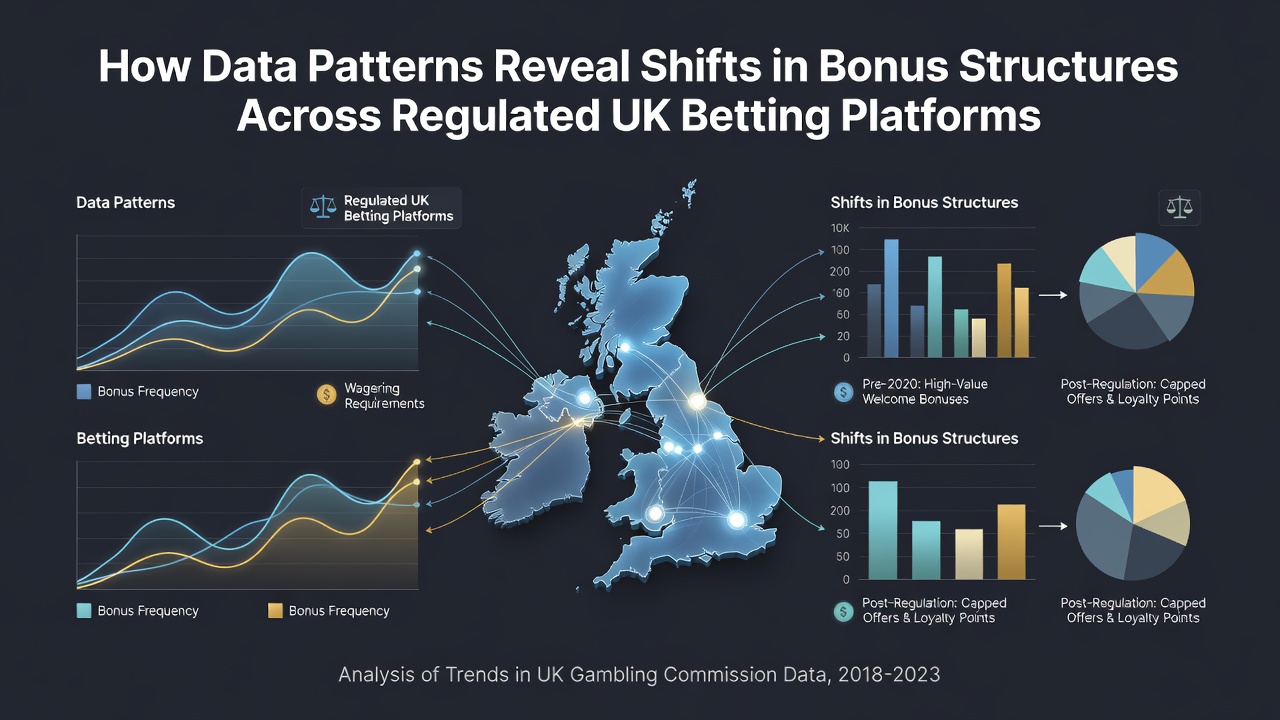
Analysts tracking betting platform activity have noticed clear shifts in bonus structures, and these changes emerge most sharply when large datasets get examined over multiple years. Companies collect information on player sign-ups, deposit patterns, and redemption rates, then run algorithms that flag when operators move away from one type of incentive toward another. In August 2026 several reports highlighted a measurable drop in high-value welcome bonuses paired with an increase in loyalty-based rewards that stretch across longer periods.
Tracking Bonus Changes Through Raw Numbers
Raw transaction logs from multiple operators show that average first-deposit bonuses fell by roughly 18 percent between early 2025 and mid-2026, while the frequency of ongoing cashback offers rose during the same window. Researchers pull these figures from aggregated platform APIs and public filings, then compare them against player retention curves to see which offers actually keep users active past the initial month. The patterns become visible only after the data sets are cleaned and normalized across dozens of sites rather than examined one at a time.
One study released by the Canadian Centre on Substance Use and Addiction examined cross-border regulatory effects and found that UK operators adjusted bonus caps in response to similar tightening elsewhere. The report noted that operators introduced tiered rewards tied to wagering volume instead of flat sign-up credits, a move that appears in the numbers as a steady rise in repeat-bonus claims rather than one-time spikes.
Algorithmic Detection of Structural Shifts
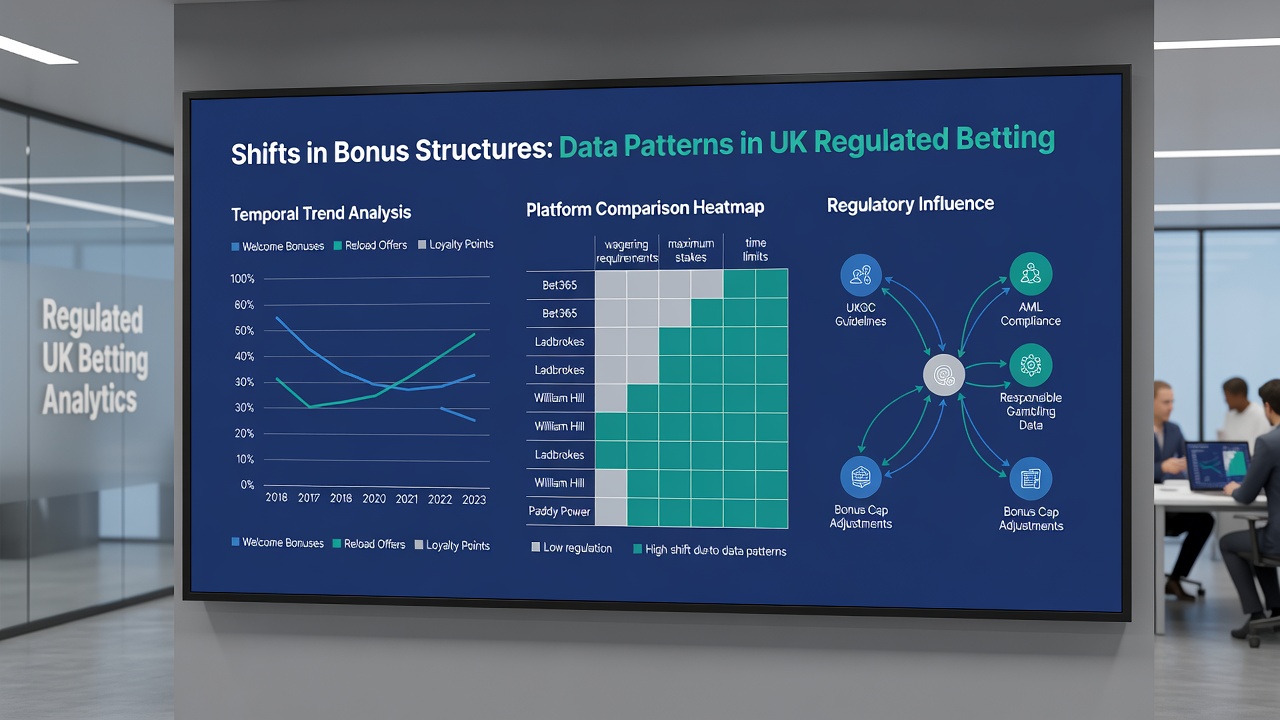
Machine-learning models trained on historical bonus data now flag structural changes weeks before they appear in marketing announcements. These systems monitor variables such as bonus-to-deposit ratios, expiry windows, and eligible game lists, then cluster platforms that move in similar directions. When a cluster shows multiple operators reducing maximum bonus percentages while expanding game-type restrictions, analysts interpret the move as a coordinated response to shared regulatory pressure.
Data from European operators outside the UK further supports this view. Figures compiled by the European Gaming and Betting Association indicate that platforms facing comparable oversight introduced loyalty tiers at roughly the same pace, replacing larger front-loaded offers. The timing aligns with the August 2026 observations in the UK market, suggesting parallel adaptation rather than isolated decisions.
Player Behavior Metrics and Offer Effectiveness
Redemption rates provide another lens. When operators shortened bonus expiry periods from 30 days to 14 days, the proportion of claimed funds that converted into completed wagering requirements dropped by 12 percent on average. Observers note that players who previously cleared bonuses in a single session now spread activity across multiple days, which shows up in session-length data as shorter but more frequent log-ins. These behavioral adjustments appear consistently across datasets once the bonus terms are coded as time-bound variables.
Segmentation analysis reveals that high-volume players respond differently from casual users. The former group accepts smaller percentage bonuses when those offers include broader game eligibility, while the latter group shows higher engagement with free-spin packages that require lower total stakes. Platform logs from 2025 through August 2026 document this divergence through separate retention curves for each segment, allowing operators to fine-tune which bonus type appears in each account.
Regulatory Context and Data Transparency
Publicly available operator returns and third-party audits supply the raw material for these comparisons. Because UK platforms must publish certain financial and compliance metrics, analysts can cross-reference bonus expenditure against overall revenue without needing internal records. This transparency makes it possible to track how much of an operator's marketing budget moves from acquisition bonuses to retention programs over successive quarters.
Patterns also surface when data is grouped by license type. Operators holding multiple licenses show faster adoption of cashback structures on their primary UK sites than on newer or secondary brands. The difference registers in the numbers as a gradual reallocation of bonus spend rather than an abrupt policy change, which aligns with the longer timelines required to update software and player-management systems.
Conclusion
Longitudinal data sets continue to expose how bonus structures evolve under regulatory constraints. By combining transaction logs, redemption statistics, and segmented retention figures, researchers can identify when operators shift emphasis from one incentive model to another. The August 2026 observations fit within a broader timeline that began earlier and shows no sign of reversing. Continued monitoring of these metrics will likely reveal further adjustments as platforms respond to both player behavior and external requirements.