The Evolution of Cash-Out Features in Licensed UK Mobile Wagering Applications
Written by Mara Friedrich · Aug 26, 2026
The Evolution of Cash-Out Features in Licensed UK Mobile Wagering Applications
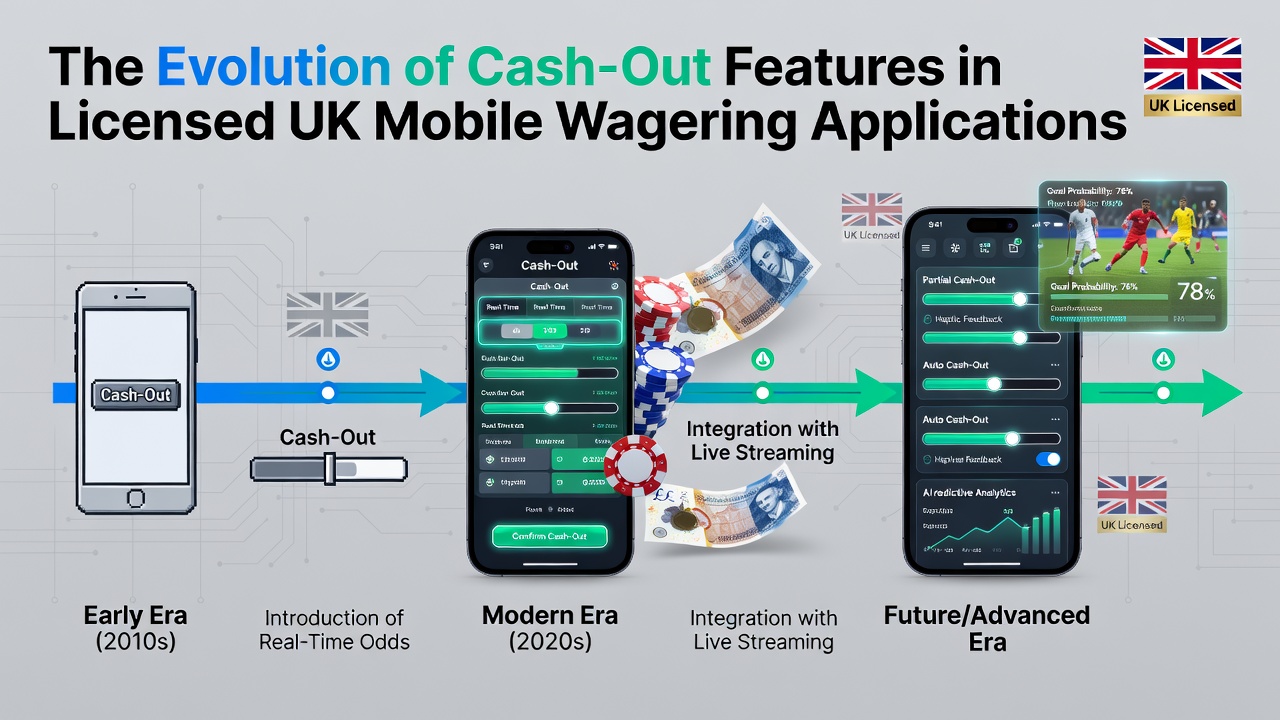
Early cash-out options in UK mobile wagering emerged around the mid-2010s when operators began embedding simple sell-back tools into live betting sections, allowing users to exit positions before events concluded and data from that period shows adoption rates climbing steadily as smartphone penetration increased across the market.
Initial Rollout and Basic Mechanics
Operators introduced cash-out as a response to user demand for greater control during in-play markets, with the first implementations limited to full exits on single bets and researchers tracking those early versions noted they relied on fixed algorithms that adjusted offers based on real-time odds shifts rather than user input.
By 2018 several platforms expanded the feature to partial cash-outs where bettors could secure a portion of the stake while leaving the remainder active, and this change coincided with improved data connectivity that reduced latency between user request and confirmation screens.
What's interesting here is how those initial tools paved the way for more nuanced controls, since mobile apps could push notifications directly to devices and prompt decisions during key moments in matches or races.
Mobile-Specific Advancements Through 2023
App developers refined interfaces to display cash-out values alongside live statistics, and integration with touch gestures allowed one-tap confirmations that cut processing times compared with desktop versions, according to industry usage reports.
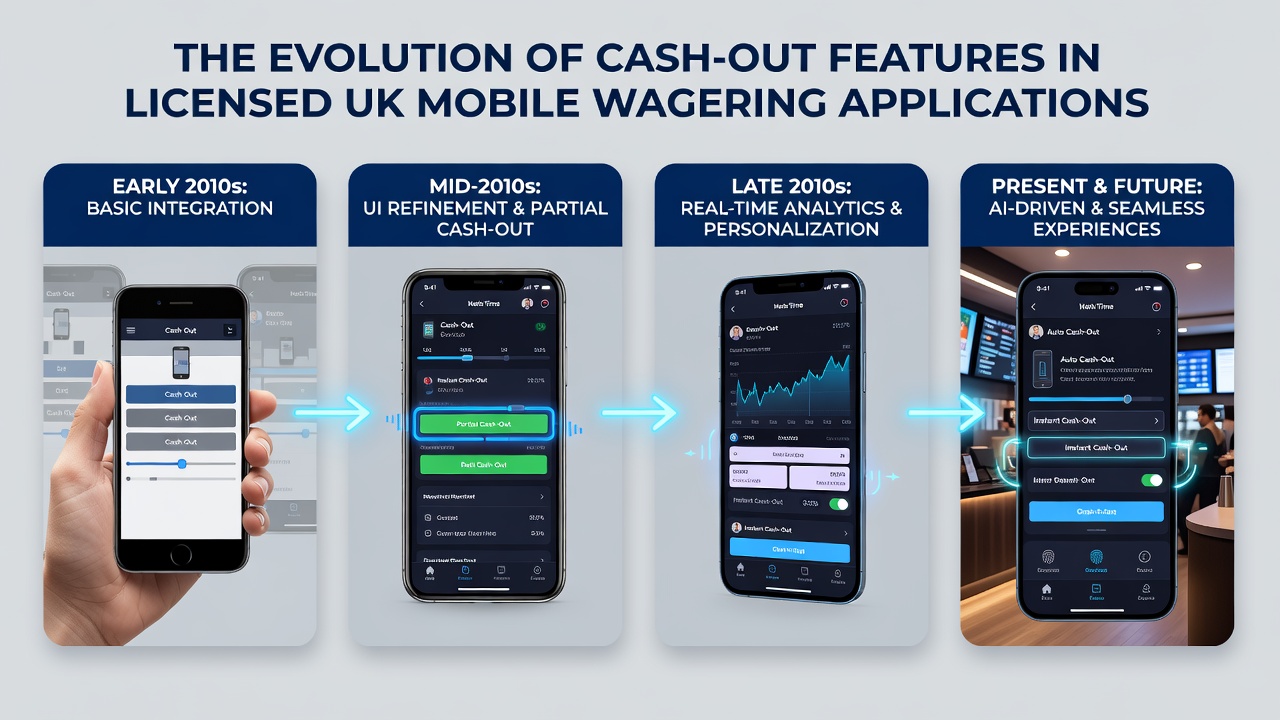
Auto cash-out settings appeared next, letting users predefine thresholds so positions closed automatically when targets were met, and this automation reduced manual monitoring while data from operator logs indicated higher engagement during extended sessions.
Yet the feature still required careful calibration because rapid market movements could render offers outdated within seconds, prompting developers to add refresh intervals that pulled fresh pricing every few moments.
Regulatory and Technical Influences After 2024
Standards set by bodies outside the UK, such as those referenced in reports from the Australian Gambling Research Centre, encouraged clearer disclosure of how cash-out calculations worked, and UK apps adopted similar transparency measures that displayed fee structures upfront before confirmation.
By early 2026 enhancements included multi-bet cash-out across accumulators, where users could exit individual legs without voiding the entire ticket, and testing phases revealed these options increased session duration without altering overall stake volumes.
August 2026 saw several major platforms roll out AI-assisted suggestions that highlighted optimal exit points based on historical patterns, though these remained optional overlays rather than default actions and users retained full decision authority.
Studies from the University of Nevada's gaming technology group have documented how such layered features align with broader trends in real-time data processing across licensed environments, while maintaining compliance boundaries that prevent automated trading loops.
Current Landscape and User Patterns
Today's applications combine cash-out with live streaming embeds so bettors review visuals and numbers on the same screen, and analytics from 2025 show that sessions incorporating at least one cash-out action tend to span longer windows than those without.
Push alerts now flag when values cross user-defined thresholds, and this notification layer ties into broader app ecosystems that track multiple accounts across operators without sharing sensitive data between them.
Those who've examined transaction records note that cash-out usage peaks during high-profile events like major football tournaments, where in-play volatility creates more frequent pricing updates and therefore more decision points within short timeframes.
Conclusion
The progression of cash-out tools in licensed UK mobile wagering applications reflects ongoing adjustments to connectivity speeds, regulatory expectations, and user interface refinements, with each phase building directly on measurable outcomes from prior versions rather than isolated redesigns.
Continued monitoring by external research entities suggests these features will keep evolving alongside device capabilities and market data feeds, maintaining focus on execution speed and clarity of terms presented to the end user.