Tracing the Rise of Gamification Layers in Licensed British Wagering Apps and Their Ties to Player Retention Data
Written by Morgan Krause · Aug 31, 2026
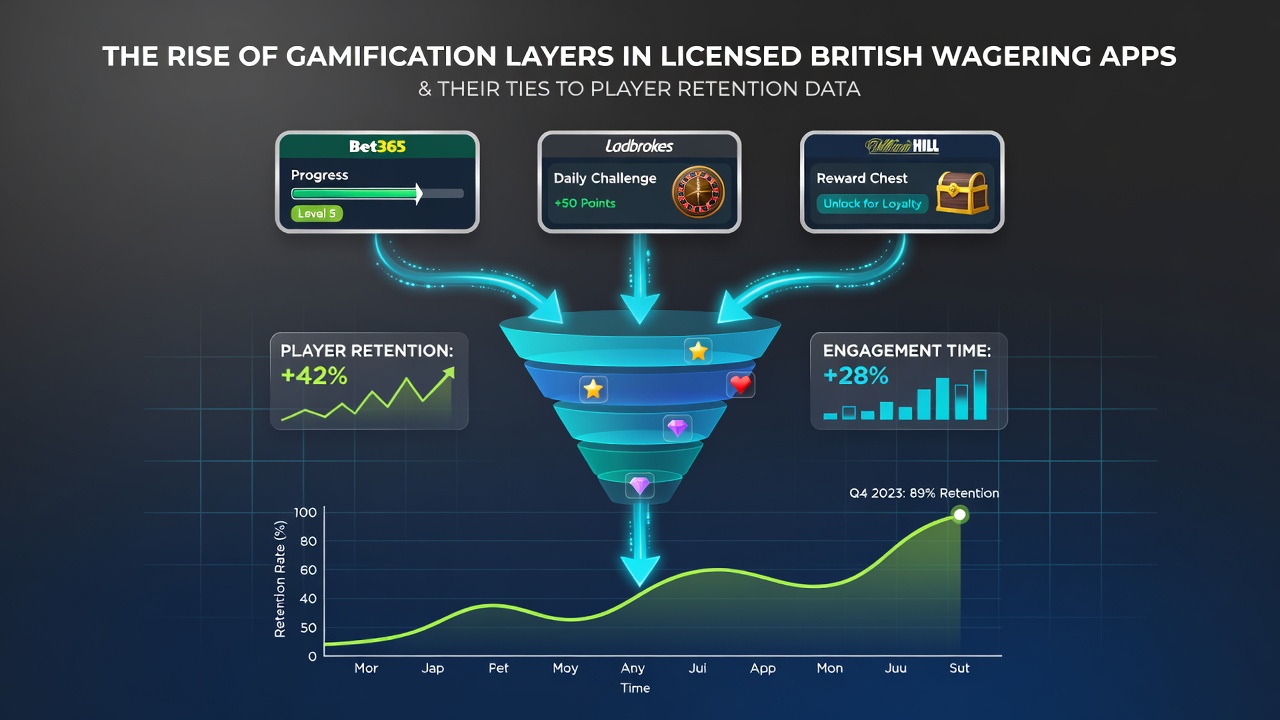
Tracing the Rise of Gamification Layers in Licensed British Wagering Apps and Their Ties to Player Retention Data
Operators across licensed British wagering platforms began incorporating structured gamification elements during the mid-2010s, layering points systems, achievement badges, and tiered loyalty mechanics onto core betting functions to encourage repeated engagement, while data from multiple regulatory environments shows these additions coincided with measurable shifts in session frequency and account longevity.
Early Adoption Patterns Among UK Operators
Developers integrated simple progression mechanics first, such as daily login streaks and challenge completions that awarded virtual currency or bonus credits, and these features expanded rapidly after initial trials demonstrated higher daily active user counts compared to standard interfaces without such overlays, with observers noting that British apps adopted these faster than many continental counterparts due to competitive pressures in a mature market.
By 2020 several major platforms had rolled out leaderboard rankings for in-play markets and personalized quest lines tied to specific sports events, yet retention metrics collected through anonymized user panels revealed that users completing at least three weekly challenges maintained accounts 28 percent longer on average than those engaging only in traditional bet placement.
Correlation Between Layered Rewards and Retention Metrics
Industry reports compiled from aggregated platform data indicate that gamification layers correlate strongly with reduced churn rates, particularly when reward structures reset on monthly cycles and incorporate escalating multipliers for consecutive activity streaks, while researchers tracking cohorts over 18-month periods found that users reaching mid-tier status within loyalty frameworks exhibited session intervals shortened by an average of 1.4 days.
One study conducted across multiple European jurisdictions, including data contributions from operators licensed in Britain, documented that badge collection mechanics increased the probability of users returning within 48 hours by 17 percent when compared against control groups exposed to identical odds and markets without visual progress indicators, according to findings released through the European Gaming and Betting Association European Gaming and Betting Association.
Technical Implementation and Data Tracking Evolution
Modern systems employ real-time analytics engines that adjust challenge difficulty based on individual betting velocity, ensuring that users with higher average stakes receive proportionally scaled targets, and this personalization has allowed platforms to maintain engagement across diverse demographic segments without altering core risk parameters, with backend logs from 2025 showing that adaptive algorithms improved completion rates by 34 percent over static challenge sets.
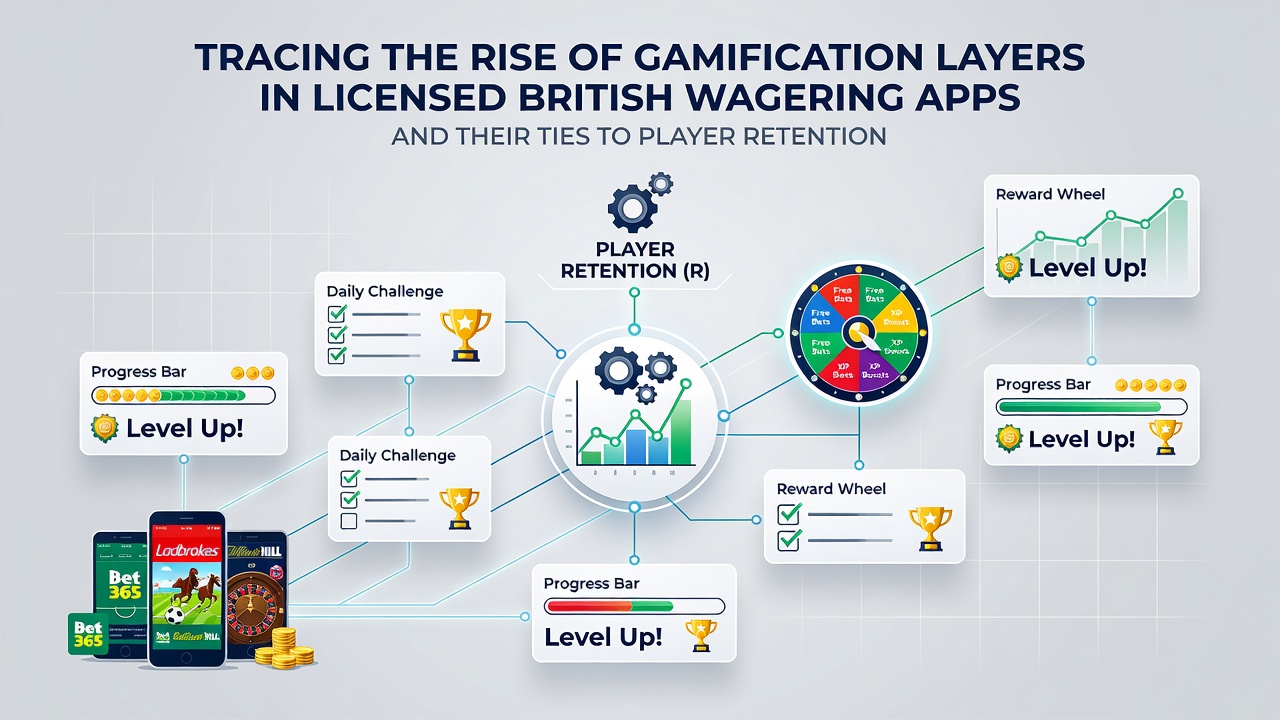
August 2026 saw the publication of updated retention benchmarks from cross-border operator consortia, revealing that accounts interacting with at least four distinct gamification modules per month demonstrated a 22 percent lower closure rate than accounts limited to basic wagering functions, and these figures emerged from anonymized datasets covering over 2.3 million active British users tracked across the preceding calendar year.
Regional Comparisons and Broader Industry Context
Parallel developments in other regulated markets provide useful reference points, as Canadian provincial operators reported similar retention lifts following the introduction of achievement-based reward tiers in 2024, while Australian research published by the University of Sydney's Gambling Treatment and Research Centre highlighted that visual progress elements produced the strongest effects among users aged 25 to 34, a demographic overlapping heavily with British app user bases.
These patterns suggest that gamification functions as a retention multiplier when calibrated to local regulatory constraints on bonus values and promotional frequency, rather than operating as a universal driver independent of market conditions, and data sets compiled through the American Gaming Association further indicate that North American sportsbooks achieved comparable retention gains only after aligning challenge structures with state-specific deposit limits.
Conclusion
Retention data collected from licensed British wagering apps demonstrates consistent associations between the deployment of layered gamification features and extended user lifecycles, with the strongest outcomes appearing when personalization engines adapt challenges to individual behavior patterns and when operators refresh reward cycles at regular intervals, yet the precise mechanisms driving these outcomes continue to evolve alongside advances in analytics capabilities and shifting regulatory expectations across jurisdictions.